DENTIST – JACKSONVILLE BEACH, FL
Exceptional Dentistry & Aesthetics
GET A FREE VIRTUAL CONSULT Free Virtual Consult







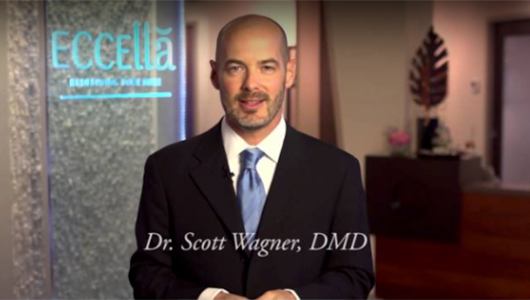
Dr. Wagner is a graduate of the prestigious LVI Global Core Curriculum and second youngest dentist ever to become a clinical instructor. He has mastered cosmetic dentistry, TMJ therapy, sleep apnea treatment and adhesive dentistry.
 Modern Technology Our practice is equipped with the latest and greatest in modern dental technology, and Dr. Wagner utilizes the finest techniques and materials to offer patients quality work and experiences.
  Designed with You in Mind Every service at Eccella Smiles is chosen to be an ideal match for the patient's individual goals.
  Focused on 1-on-1 Time Your appointment time is reserved for you alone so that you always have our team's full attention throughout the care experience.
  Quality, Lasting Work We truly care about the quality and craftsmanship we provide, and this is reflected in the long-term success of our work.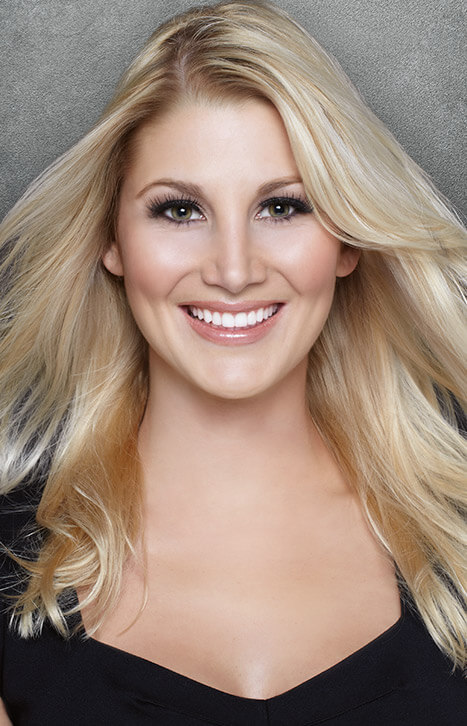
Your smile is one of the first things others notice. Cosmetic dentistry can so easily, so affordably, so dramatically transform your entire look, and Dr. Wagner is experienced at preforming number of treatments depending on your wants, needs and goals. Sometimes fixing minor imperfections like cracks, chips and gaps with porcelain veneers can completely change everything. Other times, a simple whitening might be all you need to transform your look and outlook on life.
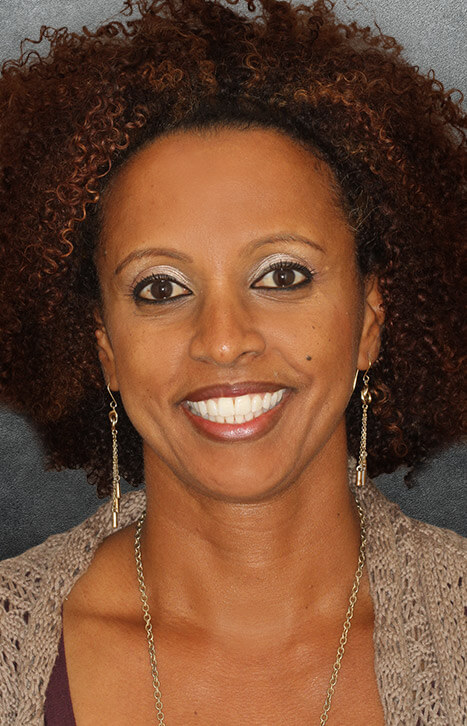
Patients love Invisalign® clear braces for several reasons. There are no cumbersome metal wires and brackets to worry about. Treatment time is significantly shorter (especially with our Propel® acceleration system). The aligners are completely clear, discrete and can be removed when eating and brushing. Not to mention, Invisalign® is significantly more affordable than traditional braces! Request a consultation with Dr. Wagner today to discuss your options and find out if you are a candidate.
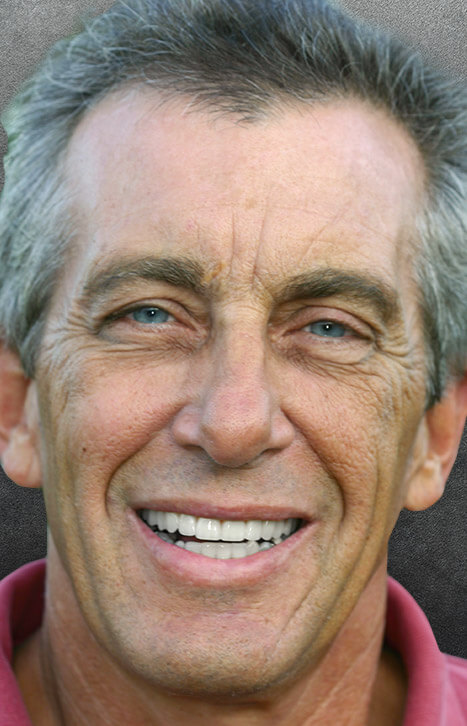
Dental implants are one of many treatments available when replacing missing, severely damaged or decayed teeth. Aside more traditional options such as crowns, bridges, and dentures or partials—implants are exceptionally different in that they replace the entire tooth’s structure. The underlying roots, as well as the crown, are restored—allowing patients to experience a more durable, structurally-sound and healthy tooth replacement. Best of all, our team can replace single teeth up to entire arches.
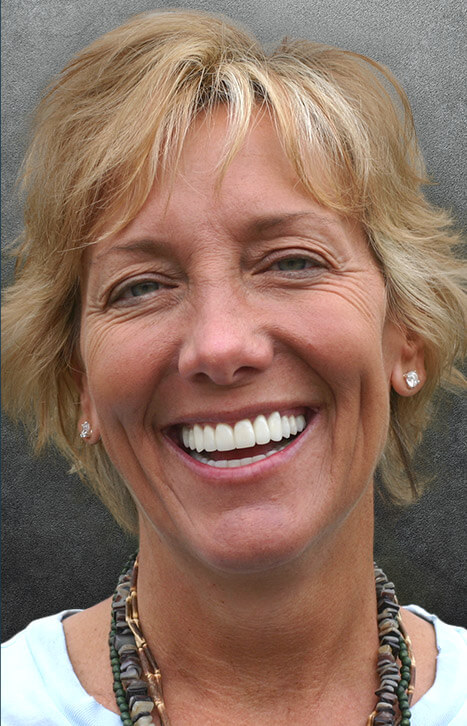
Do you suffer from chronic headaches, migraines or facial pain? Have you been to a physician or tried home remedies, but nothing seems to work? Many patients are unaware that their pain may stem from issues with the joints and muscles that control chewing. Over 10 million Americans suffer from TMJ disorder and many more are undiagnosed. Let Dr. Wagner’s extensive training in neuromuscular issues help you finally achieve the much-needed relief you deserve.
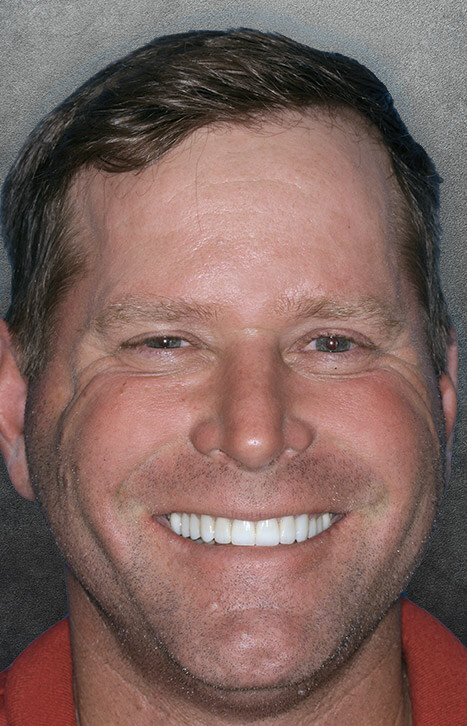
Over 22 million US adults suffer from Obstructive Sleep Apnea Disorder (OSA). The symptoms and predispositions are easy to spot… but often ignored. Loud snoring – an inability to focus during the day – brain fog – high blood pressure – obesity – gasping for air while asleep – and more. If you or your partner are experiencing these warning signs, do not hesitate to contact Dr. Wagner at Eccella Smiles. The condition is completely manageable and entirely avoidable wearing a simple mouthguard while sleeping.
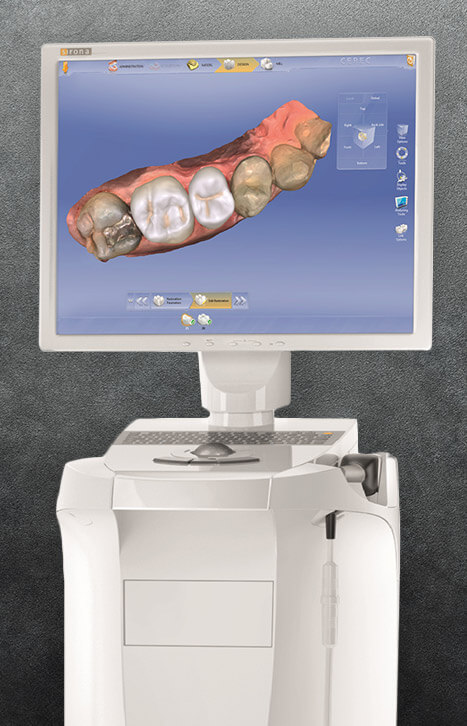
Need a dental crown? Gone are the days of messy impression material and gagging! Say goodbye to multiple visits to the dentist. No more temporaries. Introducing CEREC®: the 1-visit solution to completely custom dental crowns… start-to-finish in around 2 hours! Our chairside scanner first takes digital images of your teeth; Dr. Wagner then digitally crafts your custom crown; next, the image is sent to our on-site milling unit that immediately goes to work creating the restoration. We place the crown, and you’re on your way!







We love dentistry because it allows us to change patient’s lives. Literally translated, Eccella means excellence, and while the foundations of Eccella Smiles will always be in adult comprehensive dentistry, Dr. Wagner has brought together a unique collection of services that no other office in the Greater Jacksonville area can provide. Our ultimate goal is to redefine your smile—helping you achieve exceptional health and feel great about yourself. And our job isn’t finished until you are healthy, happy and love your teeth.


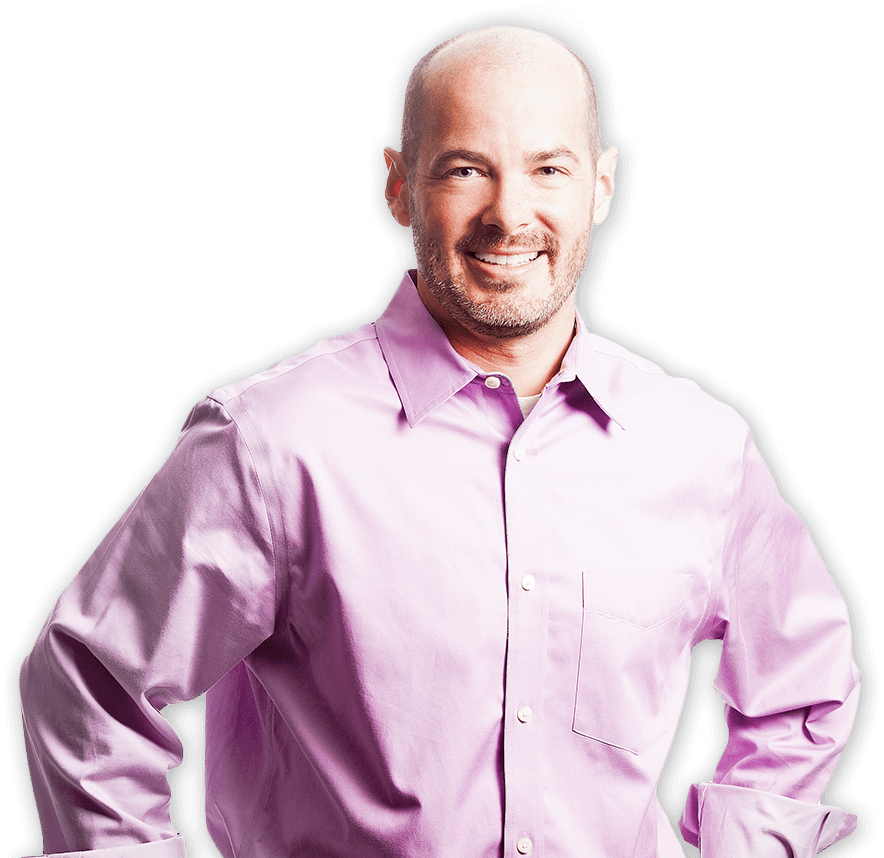

While we may not be in network with your insurance, we do process benefits on behalf of all PPO providers and quickly file claims to ensure patients receive maximum savings. No insurance? Eccella Smiles offers affordable creative financing to fit the treatment you need within your budget.